
About
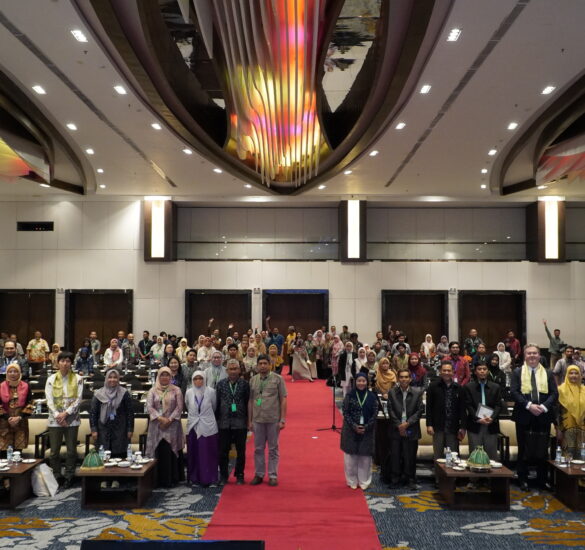
Held by Politeknik Negeri Ujung Pandang (PNUP), the 3rd Makassar Conference of Applied Sciences (MCAS) 2025 – Engineering & Science provides an ideal academic platform for researchers to present the latest research findings.
The MCAS 2025 – Engineering & Science raised the theme of Sustainability through Innovative Technologies. This conference will focus on how sustainability can be achieved through innovative technologies across a wide range of disciplines. It will highlight innovative applied research in engineering & science, and real-world implementations that contribute to more efficient, environmentally responsible, and resilient systems.
The event aims to bring together researchers, practitioners, and policymakers to share ideas and foster collaborations that support sustainable development across industries and societies.
All accepted papers will be published in AIP Publishing, SCOPUS indexed proceedings.
Important Dates
22 May 2025 -> Launching (Call for Paper)
05 October 2025 -> Paper Submission
28 October 2025 -> Last Notification of Paper Acceptance
29 October 2025-> Payment Deadline
05 November 2025 -> Final Manuscript (Camera Ready)
06 November 2025 -> Presentation Slide Submission Deadline
08 November 2025 -> The Conference

Dr. Eng. Lutfian R. Daryono
Chief Engineer Nittoc Construction Co., Ltd., Japan
Biogrouting, Coastal Prevention, Geology-Geophysics-Geomicrobiology
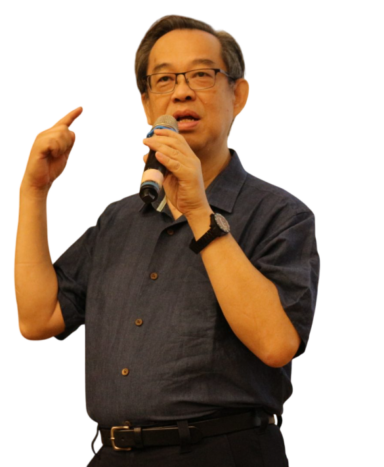
Sin Moh Cheah
School of Chemical and Life Sciences, Singapore Polytechnic
CDIO Center Director
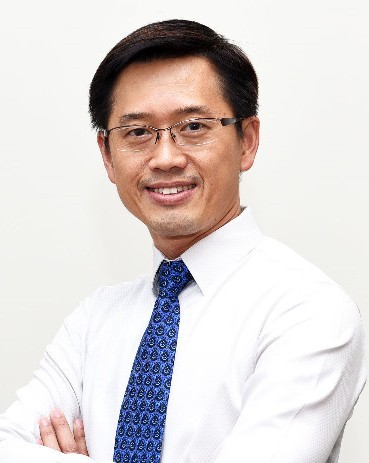
Assoc. Prof. Soh Kim Fai
School of Mechanical & Aeronautical Engineering, Singapore Polytechnic

Irwan Ibrahim
Control and Electronic Engineer PT LEN Industri, Indonesia
IoT and Renewable Energy
Topics
1. Mechanical Engineering, Material and Energy
This topic covers the design and development of innovative materials, manufacturing, and energy-efficient systems. It explores the integration of renewable energy sources, the reduction of emissions, and the enhancement of overall energy efficiency in sustainable machinery and systems. The research also focuses on advancing material science to reduce waste and develop environmentally sustainable materials, contributing to long-term sustainability in both industrial operations and local communities. It also includes the development and integration of energy storage systems to enhance the reliability and efficiency of renewable energy utilization.
2. Robotics, Control, and Artificial Intelligence
This subtopic explores the transformative impact of robotics, control systems, and artificial intelligence (AI) on industries, particularly in optimizing the utilization of natural resources. Research in this area focuses on the integration of AI and robotics to reduce energy waste, enhance operational efficiency, and minimize environmental impact. It also examines the role of AI-driven systems in providing precise control over processes. Furthermore, robotic systems are explored for their applications in sustainability-related tasks such as precision farming, waste management, and resource conservation, contributing to eco-friendly practices that benefit both the environment and local communities.
3. Electrical Engineering and Information Technology
This subtopic focuses on the role of electrical engineering and information technology (IT) in developing innovative systems that promote sustainability through smart technologies. It explores advancements in electrical grids, renewable energy integration, and energy-efficient devices aimed at creating a sustainable future. Additionally, it highlights IT innovations such as cloud computing, the Internet of Things (IoT), and data analytics, which enable efficient management of natural resources, improve waste management, and empower communities to make informed decisions about energy use. Research in this area also delves into the development of smart cities and green technologies, optimizing natural resource use while minimizing environmental impact.
4. Civil Engineering and Urban Planning
This subtopic focuses on the role of civil engineering and urban planning in designing sustainable communities. It highlights the development of eco-friendly infrastructure that efficiently uses natural resources while minimizing ecological footprints. Research in this area includes innovations in green building practices, waste recycling, water conservation, soil investigation, and sustainable transportation systems, all aimed at fostering a sustainable urban environment. Additionally, it explores how civil engineers and urban planners collaborate to create climate-resilient communities that promote economic development and enhance the quality of life, ultimately making a lasting positive impact on both the environment and local communities.
5. Agriculture and Chemical Processing Technology
This subtopic explores the critical role of agricultural and chemical processing technologies in supporting sustainable agriculture production and the efficient utilization of local natural resources and waste. Research in this area includes the extraction of bioactive compounds, new product development for food and feed, and bioremediation practices to improve local environmental quality. Additionally, it focuses on sustainable practices such as waste-to-energy processes, eco-friendly material development, agricultural and chemical processing, all aimed at minimizing environmental harm. The subtopic also highlights innovations in green production and economically viable methods that contribute to long-term environmental protection and sustainability for communities and beyond.