
About
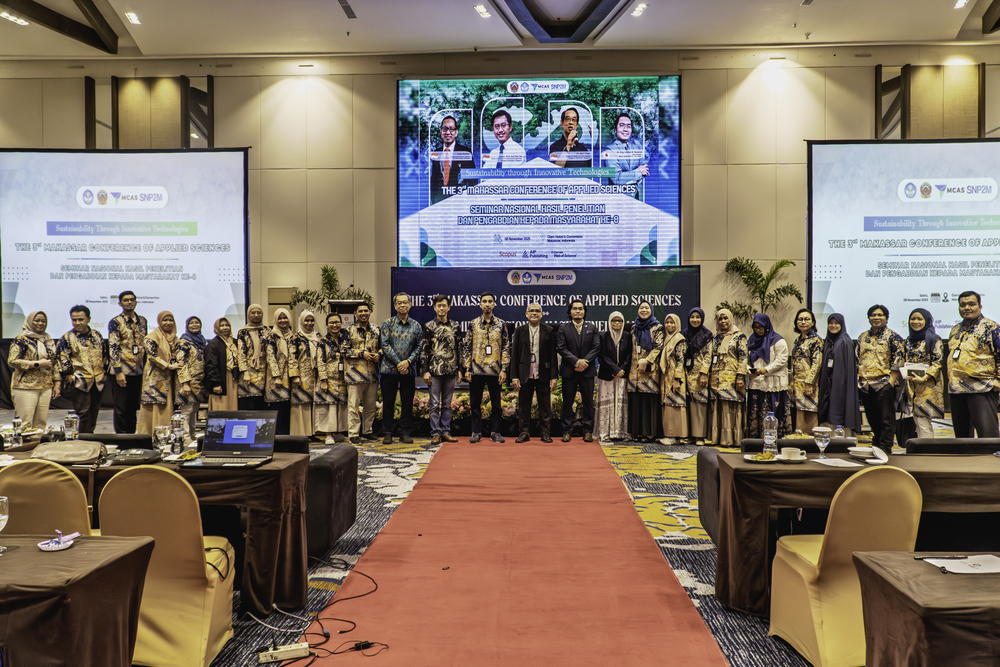
Held by Politeknik Negeri Ujung Pandang (PNUP), the 4th Makassar Conference of Applied Sciences (MCAS) 2026 provides an ideal academic platform for researchers to present the latest research findings.
MCAS 2026 raised the theme of Research for Global Impact: Advancing SDGs Through Innovation and Collaboration. This conference will focus on how sustainability can be achieved through innovative technologies across a wide range of disciplines. It will highlight innovative applied research in engineering & science, and real-world implementations that contribute to more efficient, environmentally responsible, and resilient systems.
The event aims to bring together researchers, practitioners, and policymakers to share ideas and foster collaborations that support sustainable development across industries and societies.
MCAS 2026 collaborates with our partner journals (SINTA-indexed or internationally indexed) to publish all accepted papers, subject to the publishers’ quality evaluation and final decision.
Important Dates
| 17 Juni 2026 | Launching (Call for Paper) |
| 04 October 2026 | Paper Submission Deadline |
| 29 October 2026 | Last Notification of Paper Acceptance |
| 06 November 2026 | Payment Deadline |
| 15 November 2026 | Final Manuscript Submission Deadline (Camera Ready) |
| 16 November 2026 | Presentation Slide Submission Deadline |
| 21 November 2026 | The Conference |
Keynote Speakers
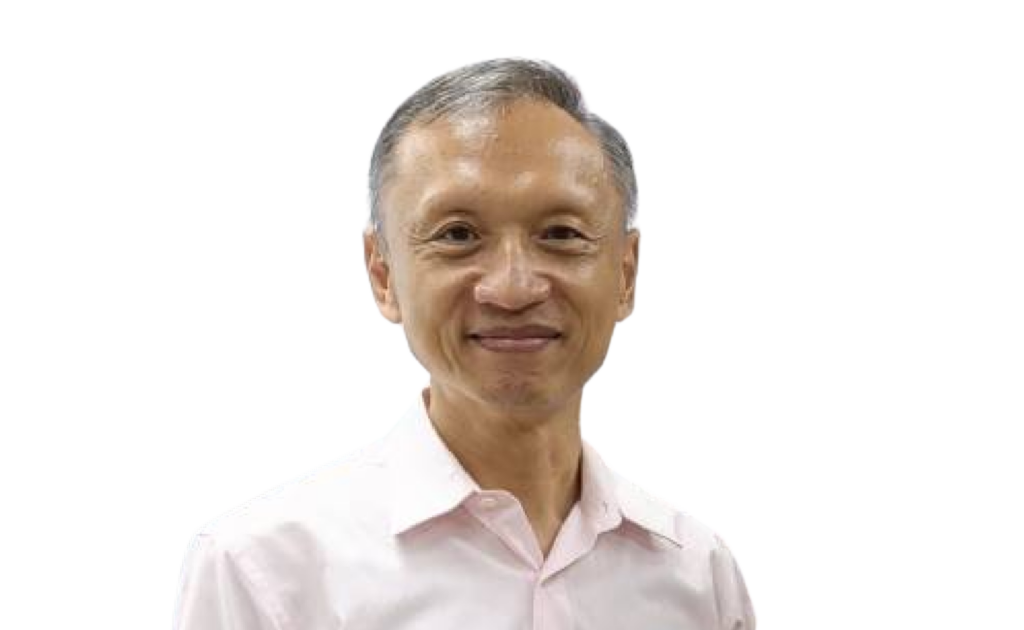
Prof. Jyh-Jian Chen
Departement of Biomechatronics Engineering, National Pingtung University of Science and Technology, Taiwan
Smart Agriculture

Assoc. Prof. Dr. Mohd Afzanizam Mohd Rosli
Deputy Dean (Research & Postgraduate), Faculty of Mechanical Engineering Technology, Universiti Teknikal Malaysia Melaka, Malaysia
Green and Efficient Techonology
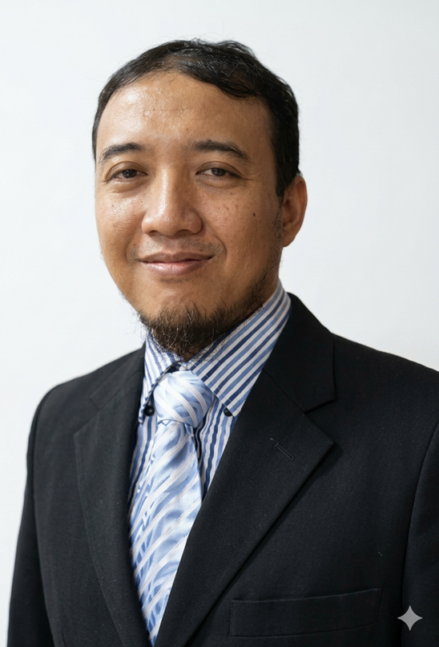
Assoc. Prof. Dr. Arif Bramantoro
School of Computing and Informatics, Universiti Teknologi Brunei, Brunei Darussalam
Artificial Intelligence and Data Analytics for Smart and Sustainable Systems

Dr. Alim Setiawan Slamet, S.TP., M.Si.
Rector of IPB University, Indonesia
Industrial Agriculture Technology
Topics
1. Mechanical Engineering, Material and Energy
This topic covers the design and development of innovative materials, manufacturing, and energy-efficient systems. It explores the integration of renewable energy sources, the reduction of emissions, and the enhancement of overall energy efficiency in sustainable machinery and systems. The research also focuses on advancing material science to reduce waste and develop environmentally sustainable materials, contributing to long-term sustainability in both industrial operations and local communities. It also includes the development and integration of energy storage systems to enhance the reliability and efficiency of renewable energy utilization.
2. Robotics, Control, and Artificial Intelligence
This topic explores the transformative impact of robotics, control systems, and artificial intelligence (AI) on industries, particularly in optimizing the utilization of natural resources. Research in this area focuses on the integration of AI and robotics to reduce energy waste, enhance operational efficiency, and minimize environmental impact. It also examines the role of AI-driven systems in providing precise control over processes. Furthermore, robotic systems are explored for their applications in sustainability-related tasks such as precision farming, waste management, and resource conservation, contributing to eco-friendly practices that benefit both the environment and local communities.
3. Electrical and Electronics Engineering
This topic focuses on the advancement of electrical and electronics engineering in supporting sustainable development through innovative and energy-efficient technologies. It explores research on electrical power systems, renewable energy integration, smart grids, power electronics, embedded systems, telecommunications, instrumentation, and electronic devices designed to improve efficiency, reliability, and environmental sustainability. The topic also highlights the role of intelligent electrical and electronic systems in addressing global challenges such as energy conservation, clean energy utilization, industrial automation, and sustainable infrastructure development. In addition, it covers innovations in sensor technologies, microelectronics, control systems, and intelligent monitoring systems that contribute to smarter and more resilient communities.
4. Civil Engineering and Urban Planning
This topic focuses on the role of civil engineering and urban planning in designing sustainable communities. It highlights the development of eco-friendly infrastructure that efficiently uses natural resources while minimizing ecological footprints. Research in this area includes innovations in green building practices, waste recycling, water conservation, soil investigation, and sustainable transportation systems, all aimed at fostering a sustainable urban environment. Additionally, it explores how civil engineers and urban planners collaborate to create climate-resilient communities that promote economic development and enhance the quality of life, ultimately making a lasting positive impact on both the environment and local communities.
5. Agriculture and Chemical Processing Technology
This topic explores the critical role of agricultural and chemical processing technologies in supporting sustainable agriculture production and the efficient utilization of local natural resources and waste. Research in this area includes the extraction of bioactive compounds, new product development for food and feed, and bioremediation practices to improve local environmental quality. Additionally, it focuses on sustainable practices such as waste-to-energy processes, eco-friendly material development, agricultural and chemical processing, all aimed at minimizing environmental harm. The topic also highlights innovations in green production and economically viable methods that contribute to long-term environmental protection and sustainability for communities and beyond.
6. Applied Mathematics and Information Technology
This topic explores the application of mathematics and information technology in solving complex real-world problems and advancing sustainable innovation. It covers research in applied mathematics, computational modeling, data science, artificial intelligence, machine learning, cybersecurity, software engineering, computer vision, cloud computing, Internet of Things (IoT), and intelligent information systems. The topic emphasizes the use of mathematical approaches and digital technologies to support evidence-based decision-making, optimize industrial and social processes, and improve the management of resources and services. It also highlights the development of smart and data-driven solutions for healthcare, education, industry, agriculture, environmental monitoring, and urban systems.
7. Economics and Social Sciences
This topic explores research in economics, business, accounting, management, and the social sciences that contributes to sustainable development and addresses contemporary economic and societal challenges. It covers areas such as financial and management accounting, auditing, information systems, public sector accounting, corporate governance, finance, taxation, banking, sustainability reporting, strategic management, entrepreneurship, and business innovation. The topic also welcomes studies in education, law, history, culture and arts, language and literature, linguistics, philosophy, and related social and humanities fields. Particular attention is given to research that strengthens institutional and community resilience, promotes responsible and inclusive economic growth, supports effective governance and decision-making, and contributes to social well-being.
Publication Journals
Accepted papers will be published in one of our partner journals.
CANREA
Canrea Journal: Food Technology, Nutrition, and Culinary Journal is an international journal ranked in Q3 that publishes research on food technology, nutrition, and culinary with a special emphasis on traditional food, particularly traditional Indonesian foods, as well as other regions that have similar or relevant culinary to Indonesian food. The topics of the articles may include but are not limited to the chemistry, microbiology, biotechnology, processing, packaging, functional, and sensory aspects of traditional and contemporary foods.
Link Web CANREA
RESTI
The Jurnal RESTI (Rekayasa Sistem dan Teknologi Informasi) is an open-access journal published by the Ikatan Ahli Informatika Indonesia (IAII) or Indonesian Informatics Experts Association, and has been ranked in Q3 (SJR 2025: 0.221) . We invite you to consider the Jurnal RESTI as a venue for sharing novel research, models, and best practices that advance the diverse realms of Computer Science Applications, Artificial Intelligence, and Computer Vision and Pattern Recognition.
JESSI
Journal of Embedded System Security and Intelligent Systems (JESSI) is a peer-reviewed, open-access journal accredited at SINTA 2. It is published quarterly (March, June, September, and December) by the Computer Engineering Study Program, Faculty of Engineering, Universitas Negeri Makassar, in collaboration with APTIKOM. The journal welcomes articles spanning embedded systems, computer and network security, intelligent systems, and related emerging technologies.
JURNAL POLIMESIN
The Jurnal Polimesin publishes high-quality research papers on all branches of mechanical engineering. The editorial team’s goal is to publish highly applied research and breakthroughs that can be disseminated while also recognizing the potential of mechanical engineering. This journal is published in February, April, June, August, October, and December. Jurnal Polimesin is accredited at SINTA 2.
Link Web Polimesin
NUCLEUS
Nucleus Journal is a peer-reviewed scientific journal accredited at SINTA 2 and published twice a year, in May and November. It provides an academic platform for the dissemination of high-quality original research articles that contribute to the advancement of knowledge in science and technology. The journal welcomes interdisciplinary and discipline-specific studies within the fields of Science and Technology.
JORESD
Journal of Renewable Energy and Smart Device (JORESD) is a peer-reviewed scientific journal accredited at SINTA 2. It publishes research articles in renewable energy, power engineering, smart devices, and related technologies. JORESD is published three times a year, in April, August, and December. The journal covers a broad range of topics, including but not limited to computer engineering, control and computer systems, electronics, information technology, informatics, data and software engineering, biomedical engineering, power engineering, and telecommunication engineering.
JURNAL PENDIDIKAN TERAPAN
Jurnal Pendidikan Terapan (JUPITER) is a peer-reviewed journal accredited at SINTA 2 and adopts a double-blind peer-review process. It is published six times a year, in January, March, May, July, September, and November. The journal welcomes interdisciplinary and multidisciplinary research addressing contemporary challenges and innovations in education. The journal emphasizes evidence-based studies that explore teaching, learning, curriculum, educational technology, and educational development from global, cultural, and cross-disciplinary perspectives.
Link Web JUPITER
IJOTA
Indonesian Journal of Taxation and Accounting (IJOTA) published quarterly in March, June, September, and December. The journal covers, but are not limited to Financial Accounting and Reporting, Management Accounting and Strategic Control, Auditing and Assurance, Corporate Governance and Accountability, Accounting Information Systems and Digital Accounting, Public Sector and Nonprofit Accounting, Accounting Education and Profession, Islamic Accounting and Finance, Capital Markets and Financial Institutions, Accounting Theory and Development, and Financial Management and Corporate Finance. IJOTA is accredited at SINTA 2.
JEEMBA
Journal of Economics, Entrepreneurship, Management Business and Accounting (JEEMBA) is a SINTA 2-accredited journal that taking part in the fields of economics, entrepreneurship, management and accounting, especially in the fields of capital market management accounting, business law, taxation, information systems and other economic and financial fields. It encompasses original research articles, comprehensive review articles, and short communications in the following interconnected disciplines: Accounting and Auditing, Management and Organizational Studies, Economics and Economic Development, Finance and Corporate Governance, and Entrepreneurship and Innovation. JEEMBA is published twice a year, in January and July.